

A dental abscess is a pocket of infection that can form inside a tooth, in the gum, or in the surrounding bone. It can cause anything from a dull, nagging ache to severe throbbing pain, and sometimes visible swelling or a general feeling of being unwell. Because these symptoms can overlap with other dental problems, they are easy to dismiss. Certain warning signs, however, should prompt assessment sooner rather than later.
In short: a dental abscess usually causes persistent, worsening pain, and may be accompanied by swelling of the face, gum or jaw, a bad taste in the mouth, or fever. It will not resolve on its own and needs assessment by a dentist. If swelling spreads quickly, or you have difficulty breathing or swallowing, this is a medical emergency — call 999 or go to A&E.
Most dental abscesses are urgent rather than immediately life-threatening, but a small number of cases can become dangerous quickly. If you have severe or spreading swelling, difficulty breathing or swallowing, or a high fever alongside a general feeling of being seriously unwell, these may be signs that infection is spreading beyond the tooth — call 999 or attend A&E without delay.
In less severe cases, without these danger signs, contacting a dentist promptly, or NHS 111 if you cannot reach one, is the appropriate next step. You can learn more about dental abscess treatment options from a dental provider offering urgent assessment.
A dental abscess develops when bacteria enter the tooth or gum tissue, often as a result of untreated decay, a cracked or broken tooth, a failed filling, or advanced gum disease. As pus accumulates, pressure builds — and it's this pressure that typically causes the pain.
There are two main types:
Working out which type is present, and how far it has progressed, requires a clinical examination rather than guesswork based on symptoms alone.
Pain is almost always present, though it can vary in character. Many people describe a strong, throbbing ache that radiates into the jaw, ear or neck, and it is often constant rather than coming and going. Pain may intensify when lying down, which can disrupt sleep. If the pain suddenly stops, this does not necessarily mean the infection has resolved — it can sometimes mean the abscess has burst, which may temporarily ease pressure without treating the underlying infection.
Visible swelling of the face, cheek, jaw or gum is a significant symptom and can develop quickly. If swelling is spreading towards the throat or eye, or is affecting breathing or swallowing, this is a medical emergency.
The gum around the affected tooth may look red, swollen or shiny, sometimes with a small pimple-like spot that can discharge pus. Some people also notice a bad taste, bad breath, sensitivity to hot or cold, discomfort when biting, or fever and swollen glands in the neck.
Until you can be seen, some temporary measures may ease discomfort, though none of them treat the underlying infection:
Temporary measures may reduce discomfort, but they cannot treat or cure an underlying dental infection.
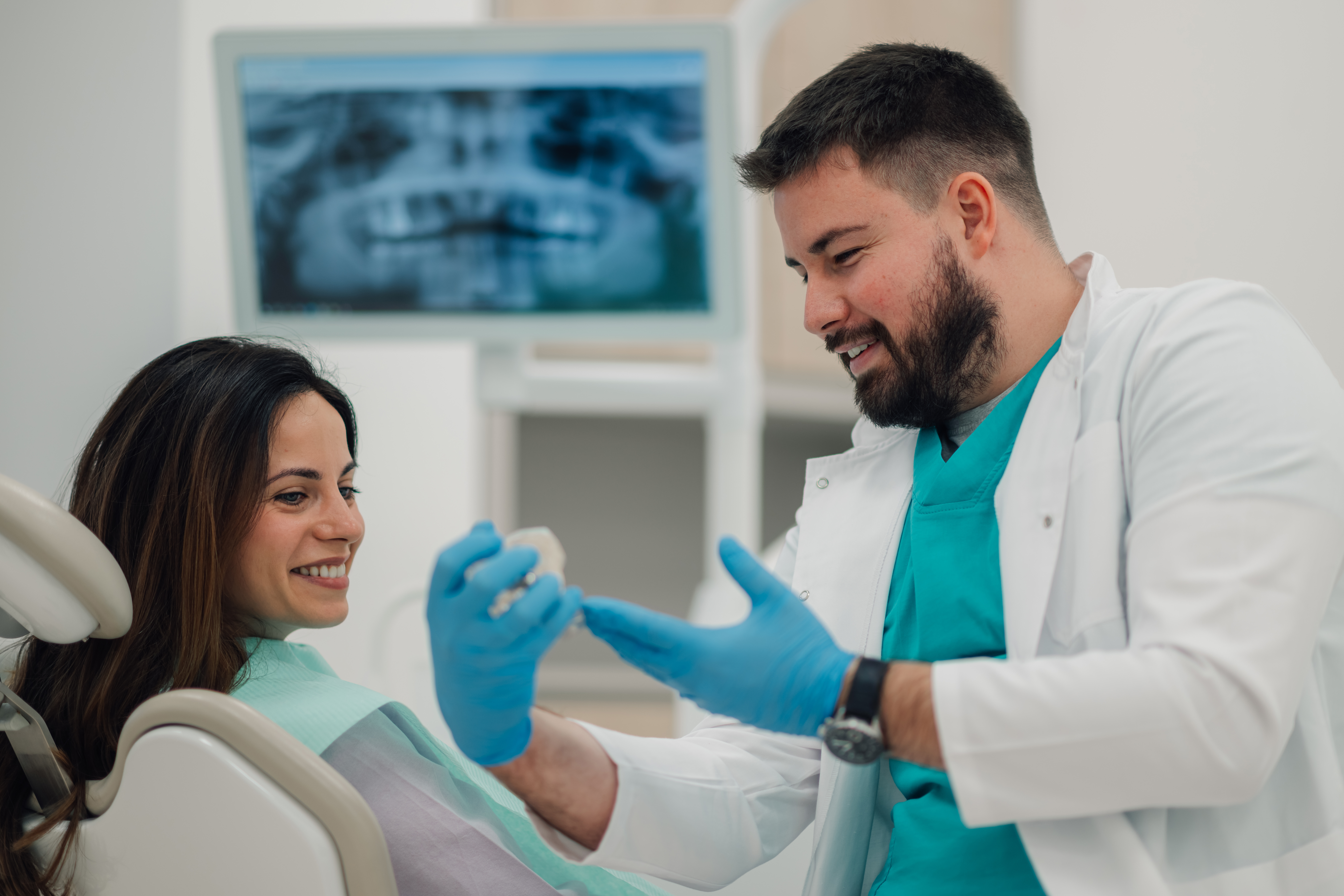
A dentist will usually take a history, examine the area, and may take an X-ray to assess the extent of the infection. Depending on the findings, treatment can include draining the abscess, root canal treatment, or in some cases extraction, sometimes alongside antibiotics if infection is spreading. The right option depends entirely on the clinical findings, and treatment may not always be completed at the first visit. Some providers, such as Emergency Dentist London, publish information about same-day assessment for urgent dental problems including abscesses.
Call 999 or go to A&E if you have:
Do not wait to see if these symptoms settle, and do not attempt to self-treat a spreading infection.
No. A dental abscess needs treatment and will not resolve without it, even if pain temporarily eases.
Not always, but it always needs dental assessment. It becomes a medical emergency if swelling spreads rapidly or affects breathing or swallowing.
Antibiotics may help control spreading infection in some cases, but they do not remove the source of infection. Treatment such as drainage or root canal treatment is usually still needed.
This varies — some develop over a day or two, while others build more gradually. This can depend on the underlying cause and the individual's immune response.
Not necessarily. Many affected teeth can be saved with root canal treatment if assessed promptly, though the appropriate treatment depends on the clinical findings.
Contact NHS 111 for advice, and seek A&E care immediately if you develop any of the emergency warning signs above. Providers offering weekend and out-of-hours emergency dental appointments may also be able to help outside routine hours, subject to availability.
If you're concerned about dental abscess symptoms, prompt assessment by a qualified dentist is the appropriate next step, as dental infections can change quickly. You can check current services and availability directly with a provider such as Emergency Dentist London to see whether they can help.
PrivateGPs.London is a nurse-led private testing and screening clinic offering blood tests, health screening, STI testing and allergy testing. Dental symptoms and injuries should be assessed by an appropriate dental professional.
This article provides general information and does not constitute individual medical or dental advice, diagnosis or treatment. Dental symptoms can have several possible causes and may require an examination by a qualified dental professional. Seek urgent advice if symptoms worsen. Call 999 or attend A&E if you have difficulty breathing or swallowing, rapidly increasing facial or neck swelling, severe facial trauma, loss of consciousness or heavy uncontrolled bleeding.
Wondering if your toothache and swelling could be ...

Not sure when to test after sexual contact? Learn ...

What Does Seeing a Private Cardiologist in London ...
Why do GPs ask about oral health in diabetes and c...

Understand what executive health assessments can a...

Unsure whether to book a GP appointment or use a w...

5 AVE MARIA LANE, ST PAUL'S, LONDON EC4M 7AQ
Mon - Fri 9AM - 6PM
Sat - Sun 10AM - 2PM
All tests and screenings are booked online or by phone — no referral and no registration needed. Same-day appointments are usually available.
2026 © PRIVATEGPS.LONDON. All rights reserved.