Published: 6 November 2026 Next Review Due: 6 November 2027
Recommended URL:
https://www.privategps.london/blog/bruxism-enamel-fractures-protecting-occlusal-surfacesPrimary Keyword: bruxism and enamel fractures
Secondary Keywords:
- teeth grinding and tooth wear
- occlusal surface damage
- enamel cracks from clenching
- night guard for bruxism
- bruxism symptoms and causes
Search Intent: Informational — the reader wants to understand how teeth grinding and jaw clenching may cause enamel damage and fractures, and what protective options exist.
Meta Title: Bruxism and Enamel Fractures: Protecting Your Teeth (59 characters)
Meta Description: Bruxism may cause enamel fractures and tooth wear. Learn how grinding affects occlusal surfaces and what a dental assessment may involve. (146 characters)
OG Title: Bruxism and Enamel Fractures: Protecting Your Teeth
OG Description: Bruxism may cause enamel fractures and tooth wear. Learn how grinding affects occlusal surfaces and what a dental assessment may involve.
Featured Image URL:
https://res.cloudinary.com/dzsbm6dxa/image/upload/v1788420966/Missing-Teeth-Understanding-the-Main-Replacement-Options-Available_w2gv3c.jpgImage Alt Text: Diagram illustrating tooth wear and enamel fractures associated with bruxism on occlusal surfaces
Image Title: Bruxism and Enamel Fractures — Protecting Occlusal Surfaces
Introduction
Bruxism — the habitual grinding or clenching of teeth — may place considerable repeated stress on the hard outer surfaces of the teeth. Over time, this mechanical pressure can contribute to enamel wear, small cracks or, in some cases, more significant fractures. The chewing surfaces, known as occlusal surfaces, are particularly susceptible. Because damage can develop gradually, many people are unaware of the extent of any changes until symptoms become noticeable. This article is educational in nature. Private GPs London does not provide dental examinations or dental treatment. If you are concerned about bruxism or enamel damage, an assessment by a qualified dental professional may be appropriate.
What Is Bruxism?
Bruxism refers to the repetitive clenching, grinding or bracing of the teeth and jaw. It is generally categorised into two forms:
- Sleep bruxism occurs during sleep and is considered a sleep-related movement disorder. Because it happens unconsciously, individuals are often unaware of it until they are told by a partner or until a dentist notices signs of tooth wear.
- Awake bruxism involves clenching or grinding during waking hours, frequently in response to stress, concentration or anxiety. Some people notice jaw tension or catch themselves clenching during the day, while others do not.
Common signs associated with bruxism include jaw muscle soreness, morning headaches, facial pain, disturbed sleep and a sensation of tension around the jaw joint. Teeth may become sensitive, and in some cases the biting surfaces may appear flatter or shorter than expected.
It is worth noting that not everyone who grinds their teeth will experience noticeable symptoms, and the degree to which bruxism affects the teeth can vary considerably between individuals.
Can Bruxism Cause Enamel Fractures?
Bruxism and enamel fractures are linked by the repeated mechanical load placed on teeth during grinding and clenching. While not every person with bruxism will develop enamel fractures, the sustained pressure involved may contribute to progressive enamel wear, the formation of small cracks, chips to the tooth surface, or — in more severe cases — deeper structural fractures. A dental examination is usually needed to assess the type and extent of any damage.
Bruxism may affect teeth through:
- Repeated clenching or grinding placing excessive force on tooth surfaces
- Progressive wear of the enamel layer on occlusal and incisal edges
- Stress fractures or craze lines developing within enamel
- Chips or breaks to weakened enamel on biting surfaces
- Increased sensitivity in teeth where enamel has thinned
- Discomfort when biting or chewing
Important: Symptoms alone cannot confirm the presence or severity of an enamel fracture. A dental examination is usually required to assess the nature of any visible or suspected damage.
It is also important to distinguish between different types of tooth damage that may be associated with bruxism:
- Enamel wear: A gradual thinning of the outer layer, often visible on biting edges and chewing surfaces
- Craze lines: Superficial cracks within the enamel that may not extend into the deeper tooth structure
- Chipped enamel: A visible fragment that has broken away from the tooth surface
- Fractures: Breaks that may extend into dentine or deeper structures, potentially affecting the pulp
Whether an individual develops enamel fractures depends on several factors, including the frequency and intensity of grinding, the underlying tooth structure, existing restorations and other contributing considerations. These factors can vary considerably from one person to another.
For general information about how bruxism-related tooth wear may be assessed, Wimpole Dental's information on bruxism and teeth grinding provides relevant context from a dental provider's perspective.
How Does Enamel Protect the Teeth?
Enamel is the hard, mineralised outer layer that covers the visible part of each tooth. It is the hardest biological material produced by the human body and plays an important protective role for the softer structures underneath, including dentine and the dental pulp.
Its functions include:
- Acting as a physical barrier against mechanical force during biting and chewing
- Protecting the dentine and pulp from temperature changes, acids and bacteria
- Providing the visible surface of the crown of the tooth
Critically, enamel is not a living tissue and cannot regenerate itself in any meaningful way once it has been significantly lost or fractured. The body cannot lay down new enamel after the tooth has fully developed. This makes the preservation of existing enamel an important consideration in dental health.
When enamel thins or is damaged, the underlying dentine — which contains microscopic tubules connected to the pulp — can become exposed. This may lead to increased sensitivity, particularly in response to hot, cold or sweet stimuli. On occlusal surfaces, where enamel is under the greatest functional load, progressive thinning may ultimately compromise the structural integrity of the tooth.
Signs of Bruxism-Related Tooth Damage
Identifying possible signs of bruxism-related enamel damage is not always straightforward, as many of the associated features can have other causes. Nevertheless, the following signs are sometimes observed in people with long-standing grinding or clenching habits:
- Flattened or worn biting surfaces: Teeth that appear shorter, more uniform in height or visibly flattened compared to their expected shape
- Visible chips or cracks: Small pieces missing from incisal edges or occlusal surfaces, or visible lines running along the tooth
- Tooth sensitivity: Increased discomfort in response to temperature changes, particularly cold, or when consuming sweet foods
- Jaw tightness or discomfort: Soreness or fatigue in the muscles around the jaw, particularly in the morning
- Headaches: Dull aching pain around the temples or forehead on waking, sometimes associated with nocturnal clenching
- Discomfort when chewing: Pain or sensitivity when biting down on food
None of these signs, individually or in combination, should be treated as a definitive diagnosis of bruxism or enamel fracture. Similar symptoms may arise from other dental or medical conditions. An examination by a qualified dental professional is the appropriate route to establishing the nature and cause of any changes.
How Can You Protect Occlusal Surfaces?
There is no single guaranteed method for preventing enamel damage in people who grind or clench their teeth. However, a number of general approaches may be discussed as part of a dental assessment. These are not recommendations for self-management, but rather an outline of the kinds of measures a dental professional may consider:
- Seeking a dental assessment for suspected bruxism or enamel changes, so that the nature and extent of any damage can be evaluated
- A professionally assessed night guard or occlusal splint, which may help to redistribute forces across the teeth during sleep — the appropriateness of such an appliance depends on the clinical findings and an individual's circumstances
- Avoiding habits that may place additional stress on teeth, such as chewing ice, pen caps or other hard objects
- Maintaining consistent oral hygiene, including twice-daily brushing with a fluoride toothpaste and regular flossing or interdental cleaning
- Discussing relevant stress-management approaches with an appropriate health professional, where awake bruxism may be linked to psychological stress
- Following individual guidance from a qualified dental professional, as the most appropriate protective measures depend on the specific clinical picture
It is important to note that protective appliances and lifestyle adjustments may help to manage the effects of bruxism, but they do not guarantee that enamel fractures will not occur. The underlying cause of bruxism also remains the subject of ongoing clinical and research interest, and management strategies continue to evolve.
For an overview of protective dental appliances and their use, information on night guards and occlusal splints published by Wimpole Dental may be a useful reference.
What Might a Dentist Recommend?
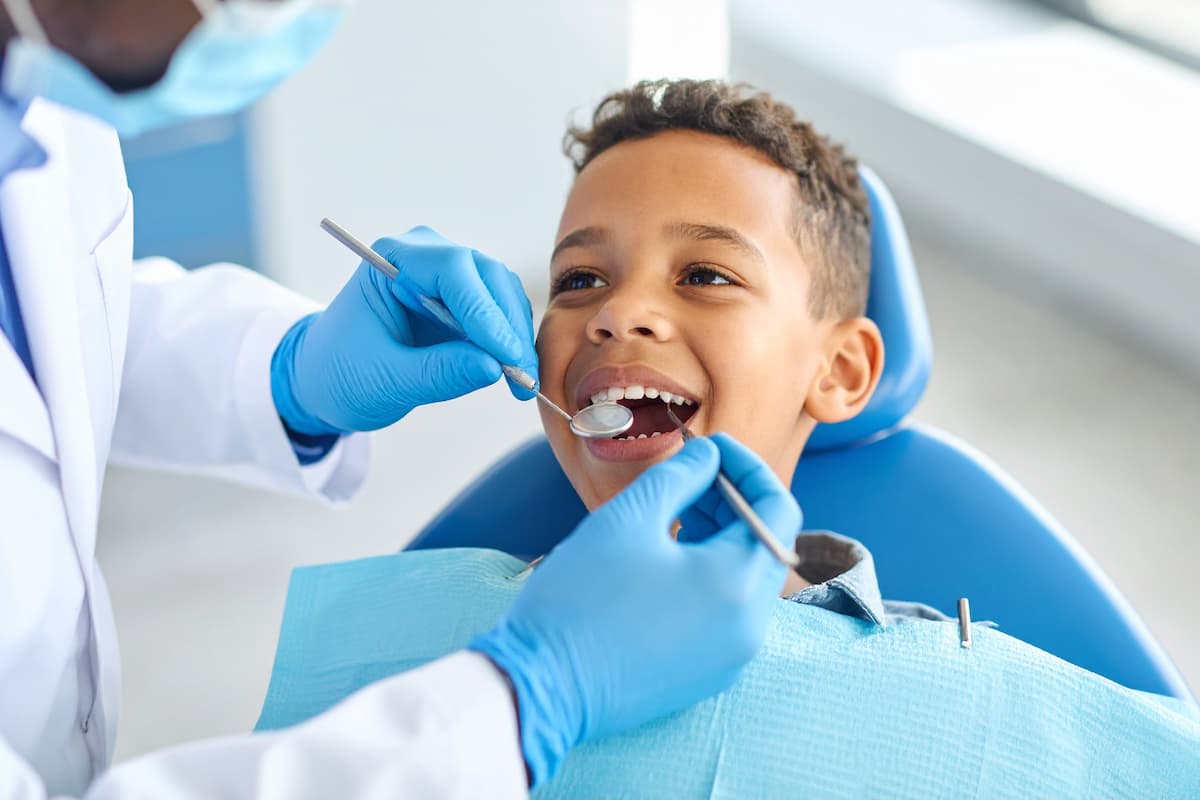
If bruxism or enamel damage is suspected, a dental assessment would typically involve a structured process before any treatment is considered:
During the assessment, a dentist may:
- Take a relevant dental and medical history, including any medications or health conditions that could be contributing
- Examine the teeth and their occlusal surfaces for signs of wear, cracks or fractures
- Assess the jaw muscles and joint for signs of tension or tenderness
- Review existing restorations such as fillings or crowns for signs of wear or damage
- Take X-rays where clinically indicated to assess the extent of any damage not visible to the naked eye
- Discuss the findings with the patient and explain possible management options
Options that may be discussed following assessment could include:
- Monitoring minor or stable tooth wear without immediate intervention
- Fabricating a professionally made protective appliance, such as a hard acrylic night guard
- Repairing a chipped tooth or fractured enamel using a suitable restorative material
- More extensive restorative treatment where the structural integrity of the tooth has been significantly compromised
- Referral to a specialist where appropriate
It is important to understand that treatment is determined by the examination findings and individual clinical circumstances. Not every person with bruxism will require restorative treatment, and the appropriate course of action varies considerably. Explanation of costs, options and consent should take place before any treatment begins.
For a broader overview of restorative and preventive dental care, Wimpole Dental's dental services pages provide information about the range of assessments and treatments available.
When Should You Seek Dental Advice?
The timing of a dental assessment depends on the nature and severity of any symptoms or concerns. As a general guide:
Routine dental assessment may be appropriate if you:
- Notice flattening or wear on your biting surfaces over time
- Experience new or gradually worsening tooth sensitivity
- Suspect that you grind your teeth during sleep
- Observe small chips or cracks in your teeth that are not causing acute pain
- Experience persistent jaw discomfort or frequent morning headaches
More prompt dental attention may be warranted if you:
- Develop sudden, severe pain in a tooth
- Notice a significant chip or fracture following an incident
- Experience pain when biting that affects your ability to eat
- Have swelling around the jaw or face
- Notice a tooth that feels loose or displaced
Severe dental pain, significant trauma, swelling or signs of dental infection should be assessed promptly by a dental professional. If you are uncertain about the urgency of your symptoms, a qualified healthcare professional may be able to advise on the appropriate next steps.
For guidance on the range of dental assessments available, information about dental examinations at Wimpole Dental may help you understand what an assessment might involve.
Frequently Asked Questions
Can grinding your teeth crack enamel?
Repeated grinding and clenching may place significant stress on tooth enamel, and over time this could contribute to the development of cracks, craze lines or chips on the occlusal and incisal surfaces. The likelihood of enamel cracking depends on several factors, including the intensity and frequency of grinding and the condition of the teeth. A dental examination can help assess whether any cracks are present.
Can enamel grow back after grinding?
Enamel cannot regenerate once it has been significantly lost or fractured. It is not a living tissue and the body cannot produce new enamel after a tooth has fully formed. Fluoride-based products may help support the remaining enamel's integrity, but they cannot replace enamel that has been lost. A dentist may discuss options to protect or restore the affected surfaces.
Does a night guard prevent enamel fractures?
A professionally made night guard or occlusal splint may help to redistribute the forces placed on teeth during grinding, which could reduce the rate of enamel wear. However, it does not guarantee that enamel fractures will not occur. The suitability and design of a protective appliance should be assessed and determined by a qualified dental professional based on the individual's clinical needs.
How can I tell if I have bruxism?
Common indicators include waking with a sore jaw, tender facial muscles or headaches, as well as noticing tooth sensitivity or visible wear on the biting surfaces. A partner may notice sounds of grinding during sleep. Because many people are unaware of sleep bruxism, a dental examination — where a dentist looks for characteristic signs of wear — is often the most reliable way to identify it.
Can bruxism damage fillings or crowns?
Yes, the forces associated with bruxism may also affect dental restorations. Fillings may wear more quickly, and crowns or ceramic restorations could be susceptible to fracture under repeated loading. A dentist can assess existing restorations as part of a routine examination and advise on whether any action is needed.
When should I see a dentist about a cracked tooth?
If you notice a visible crack, experience pain when biting, or develop new sensitivity in a tooth, an assessment by a dental professional is advisable. If the pain is severe, associated with swelling, or follows an injury, more prompt attention is recommended. Fees and appointment availability should be confirmed directly with the dental provider.
Finding Dental Care
If you are concerned about teeth grinding, enamel damage or a suspected tooth fracture, contacting a qualified dental provider for an assessment is a reasonable first step. Wimpole Dental publishes information about dental services and treatment options across a range of relevant areas. Patients should contact the practice directly to confirm whether a particular assessment or treatment is available and suitable for their circumstances. Fees and appointment availability should be confirmed directly with the provider.
Disclaimer
This article is intended for general informational purposes only and does not constitute dental or medical advice, diagnosis or treatment. Bruxism and enamel damage can have several possible causes and may require assessment by a qualified dental professional. Seek dental advice if you experience persistent pain, sensitivity, a visible fracture or worsening symptoms. Private GPs London does not provide dental examinations or dental treatment.