- chronic maxillary sinus pressure
- dental sinusitis
- sinusitis from tooth infection
- maxillary sinusitis dental origin
- tooth infection and sinus pressure
Search Intent: Informational / Comparative Medical-Dental
Meta Title: Odontogenic Sinusitis vs Sinus Pressure: Key Differences (Character count: 55 — within the 50–60 character target)
Meta Description: Chronic maxillary sinus pressure has several possible causes. Learn how odontogenic sinusitis differs, why dental origins matter, and when combined assessment may be needed. (Character count: 158 — within the 150–160 character target)
OG Title: Odontogenic Sinusitis vs Sinus Pressure: Key Differences
OG Description: Chronic maxillary sinus pressure has several possible causes. Learn how odontogenic sinusitis differs, why dental origins matter, and when combined assessment may be needed.
Featured Image URL: https://res.cloudinary.com/dzsbm6dxa/image/upload/v1786609009/How-Long-Does-Clear-Aligner-Treatment-Usually-Take-in-the-UK_v5wztu.jpg
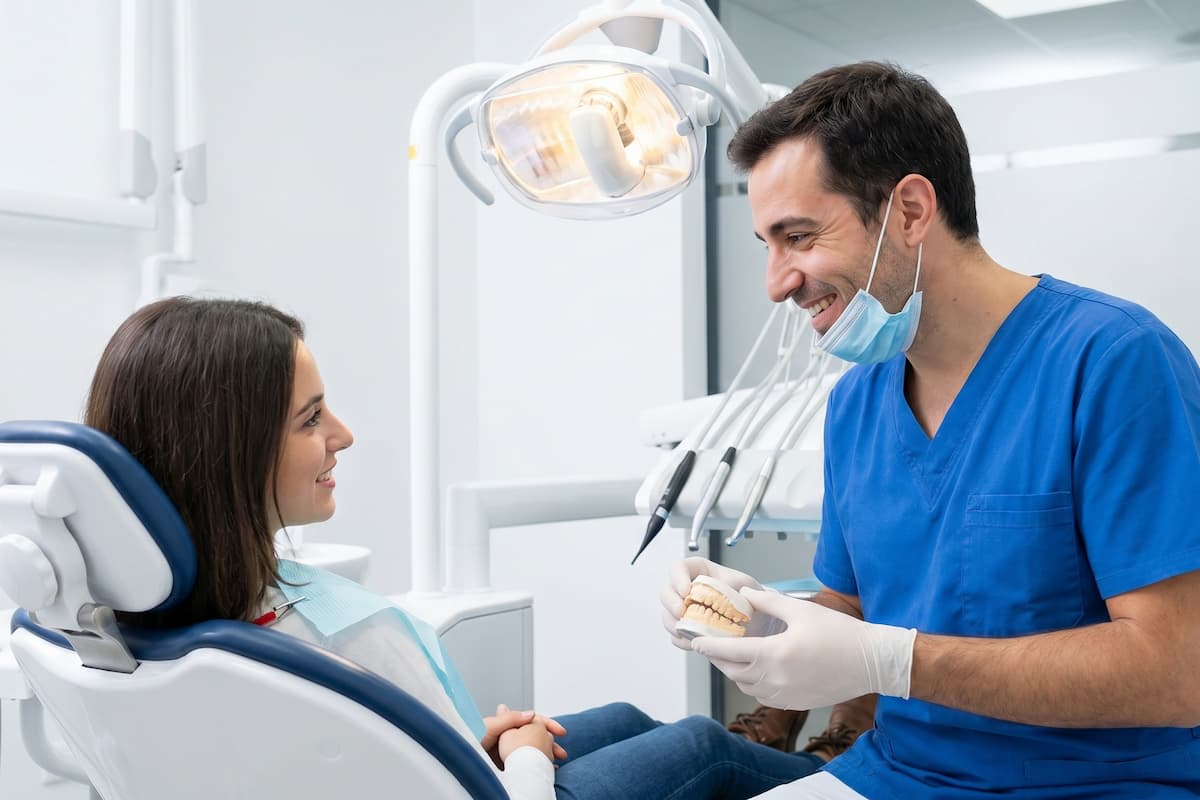
Image Alt Text: Close-up of a person's smile showing aligned teeth, representing a dental health context
Image Title: Dental Health and Maxillary Sinus Conditions
Chronic Maxillary Sinus Pressure vs Odontogenic Sinusitis: Navigating Combined Medical-Dental Care
Persistent pressure behind the cheeks can be one of the more frustrating symptoms to resolve. Maxillary sinus symptoms — congestion, facial heaviness, post-nasal drainage — are common, yet they do not always behave as expected, and conventional sinusitis treatments do not always bring lasting relief. Part of the reason lies in anatomy: the maxillary sinuses sit in close proximity to the roots of the upper back teeth, creating a zone where dental problems and sinus disease can overlap in ways that are not always straightforward to separate. Odontogenic sinusitis, a form of sinus disease arising from a dental source, is a recognised and distinct condition — yet it remains underappreciated both by patients and, at times, across clinical settings. Not every case of chronic maxillary sinus pressure has a dental origin, and symptoms alone cannot distinguish between the two. Medical and dental assessment may each have a role to play.
What Is the Difference Between Chronic Maxillary Sinus Pressure and Odontogenic Sinusitis?
Direct Answer (Featured Snippet): Chronic maxillary sinus pressure can arise from several causes, including chronic rhinosinusitis, allergic conditions and inflammatory nasal disease — none of which necessarily involve the teeth. Odontogenic sinusitis, by contrast, refers specifically to sinus disease in which a dental source — such as a tooth infection, dental procedure complication or periodontal problem — is the underlying driver. Symptoms between the two conditions can overlap considerably, and a dental cause cannot be confirmed from symptoms alone. Appropriate medical and/or dental assessment is required to investigate the underlying cause.
Features that may prompt consideration of a dental source include:
- Persistent or recurrent one-sided (unilateral) maxillary symptoms
- A foul smell or unpleasant taste not explained by nasal disease
- Symptoms occurring alongside known dental problems
- Previous dental treatment involving the upper back teeth or maxillary region
- Persistent symptoms despite appropriate conventional sinusitis management
- Imaging showing maxillary sinus changes adjacent to dental pathology
These features are not diagnostic by themselves. Their presence may prompt further assessment rather than confirming a particular diagnosis.
What Is the Maxillary Sinus?
The maxillary sinuses are paired, air-filled cavities located within the cheekbones, one on each side of the face. They are the largest of the paranasal sinuses and drain into the nasal cavity through a small opening called the ostium. When this drainage becomes obstructed — whether through inflammation, swelling or structural factors — pressure can build within the sinus, producing the characteristic facial heaviness, aching or congestion associated with sinus disease.
What makes the maxillary sinus particularly relevant to dental health is its floor, which in many people lies in very close proximity to — and in some cases directly above — the roots of the upper molar and premolar teeth. This anatomical relationship means that disease processes originating in these teeth can, in some circumstances, directly affect the adjacent sinus cavity. The floor of the sinus and the apex of an upper molar root may be separated by only a thin membrane, or in some individuals, the roots may project directly into the sinus. This proximity underpins the clinical relevance of dental assessment when maxillary sinus disease fails to resolve in the expected manner.
What Causes Chronic Maxillary Sinus Pressure?
Chronic or recurrent maxillary sinus pressure most commonly occurs in the context of chronic rhinosinusitis — a condition characterised by persistent inflammation of the nasal passages and sinuses lasting twelve weeks or longer. NHS guidance notes that sinusitis can produce pain, swelling and tenderness around the cheeks, eyes and forehead, nasal congestion, reduced sense of smell and sometimes toothache. Persistent, recurrent or worsening symptoms may warrant medical assessment.
The possible causes of chronic or recurrent maxillary sinus pressure from a non-dental standpoint include:
- Chronic rhinosinusitis — with or without nasal polyps
- Allergic rhinitis — seasonal or perennial allergic inflammation affecting the nasal passages and sinus drainage
- Recurrent acute sinusitis — repeated episodes of sinus inflammation following upper respiratory infections
- Anatomical factors — such as a deviated nasal septum, nasal polyps or concha bullosa, which may impair sinus drainage
- Non-allergic or vasomotor rhinitis — chronic nasal inflammation without an identifiable allergic cause
- Environmental and occupational exposures — irritants that chronically affect the sinonasal mucosa
- Other inflammatory conditions — some systemic conditions can have sinonasal manifestations
This is not an exhaustive differential diagnosis. A medical assessment is the appropriate step to investigate the cause of persistent or recurrent maxillary sinus symptoms, and a GP can help determine whether further investigation or ENT referral may be indicated.
Is My Chronic Maxillary Sinus Pressure Coming From a Tooth?
A dental origin is one possibility, particularly where symptoms are persistent, predominantly one-sided or associated with a relevant dental history — but symptoms alone cannot establish the cause. Many patients with genuinely dental-origin sinus disease present with symptoms that are indistinguishable from ordinary chronic sinusitis without thorough assessment. Conversely, many patients with genuinely non-dental chronic maxillary sinus problems have upper dental work or some degree of dental findings that are coincidental rather than causative. The pattern of symptoms, the clinical examination and appropriate imaging all contribute to building a clearer picture. If a dental source is suspected, a GDC-registered dental professional can assess the relevant teeth and surrounding structures, but this should ideally be considered alongside — rather than instead of — medical evaluation.
What Is Odontogenic Sinusitis?
Odontogenic sinusitis is defined as sinus disease in which the primary driving cause originates from a dental structure rather than from the sinonasal tract itself. It is increasingly recognised in the clinical literature as distinct from non-odontogenic rhinosinusitis in its causes, behaviour, clinical presentation and, importantly, its response to treatment.
Potential dental sources of odontogenic sinusitis can include:
- Dental infection at the apex of an upper tooth — periapical abscess or chronic apical pathology
- Periodontal disease — deep gum disease affecting the upper posterior teeth
- Oroantral communication or fistula — an abnormal opening between the mouth and the maxillary sinus, sometimes occurring after a tooth extraction
- Complications following dental procedures — including extractions, implant placement or sinus lift surgery
- Foreign material in or near the sinus — such as displaced root fragments, endodontic filling material or dental implant components that have entered the sinus
- Dentoalveolar procedures — including root canal treatment, particularly where instrumentation or sealer materials have been expressed into the sinus
Odontogenic sinusitis can behave differently from ordinary rhinosinusitis. It may be predominantly or exclusively unilateral, it may be resistant to antibiotic treatment, and it may recur after apparently successful medical management if the underlying dental source has not been identified and addressed. Evidence reviews emphasise the importance of confirming both the sinonasal disease and the dental source when establishing a diagnosis.
For patients who may have had previous maxillary dental work and are now experiencing persistent sinus symptoms, a dental examination focusing on the maxillary posterior teeth may form a useful part of the overall assessment picture.
Chronic Maxillary Sinus Pressure vs Odontogenic Sinusitis: A Comparison
The table below is provided for educational purposes only. It is not a diagnostic checklist, and no individual feature or combination of features should be used to self-diagnose either condition. The appropriate assessment depends on the full clinical history and examination by qualified healthcare and dental professionals.
| Feature | Chronic / Non-Dental Sinus Disease | Possible Odontogenic Sinusitis |
|---|---|---|
| Primary source | Sinonasal tract | Dental or dental-procedure related |
| Typical symptoms | Facial pressure, nasal congestion, postnasal drainage, reduced smell | May overlap significantly with sinus symptoms |
| Dental symptoms | May be entirely absent | May or may not be present — dental pain is not required |
| Laterality | Can affect both sides or one side | Often unilateral, but not exclusively |
| Dental history | Not necessarily relevant | May be clinically important |
| Response to antibiotics | May respond, but recurrence is common without addressing the cause | May not resolve if the dental source persists |
| Assessment required | Medical and/or ENT assessment | Medical and dental assessment may both be appropriate |
| Imaging approach | Sinonasal structures assessed | Dental structures should also be reviewed |
| ENT findings | Polyps, mucosal thickening, septal deviation may be identified | Endoscopy may show findings, but sinus changes may differ in character |
What Symptoms May Suggest a Dental Source?
Certain clinical patterns may raise the possibility that a dental source is contributing to maxillary sinus symptoms. These patterns are not diagnostic on their own, but they may prompt a clinician or patient to consider whether dental assessment would be appropriate alongside or following medical evaluation.
Patterns that may warrant consideration of a dental source include:
- Unilateral maxillary symptoms — sinus disease that is predominantly or exclusively affecting one side
- A persistent or foul smell — an unpleasant or offensive odour not adequately explained by nasal disease
- An unusual or foul taste — particularly if not associated with typical nasal symptoms
- Known dental infection or abscess — particularly involving the upper molar or premolar teeth
- Recent or previous maxillary dental treatment — including implants, extractions or root canal treatment involving upper teeth
- Symptoms that recur after antibiotic treatment — without a clear sinonasal cause being identified
- Symptoms that do not follow the pattern of seasonal or allergic rhinitis — particularly if consistent throughout the year and predominantly one-sided
An important clinical point, supported by evidence reviews on odontogenic sinusitis, is that dental pain may be absent in many cases. The absence of toothache does not exclude a dental origin, which is why assessment by a GDC-registered dental professional may be warranted even where a patient does not have obvious dental symptoms.
Can a Tooth Infection Cause Sinus Pressure?
Yes — in some circumstances, infection associated with an upper tooth can affect the adjacent maxillary sinus. The anatomical proximity between the roots of the upper molar and premolar teeth and the floor of the maxillary sinus means that infection at the apex of a tooth root may extend directly into the sinus, or may breach the thin membrane separating the two.
This does not mean that every upper-tooth infection causes sinusitis, or that every case of maxillary sinus pressure involves a dental infection. The relationship is anatomically possible and clinically recognised, but whether it is present in any individual case requires assessment rather than assumption. In some patients, a dental abscess or tooth infection involving an upper posterior tooth may be identified as a contributing factor in persistent maxillary sinus disease — but this is one of several possible scenarios, not a universal pattern.
How Is Odontogenic Sinusitis Diagnosed?
Establishing a diagnosis of odontogenic sinusitis typically requires a coordinated approach, and current evidence emphasises that diagnosis should confirm both the sinonasal disease and the adjacent dental pathology.
Medical or ENT Assessment May Include:
- A thorough symptom history, including the timeline and character of sinus symptoms
- Assessment of previous treatment and its effects
- Nasal examination
- Nasal endoscopy, where clinically appropriate, to assess the sinus drainage pathways and mucosal character
- Review of whether symptoms are bilateral or predominantly unilateral
- Imaging of the sinuses — typically CT — which can demonstrate the extent of mucosal disease and, in the relevant context, whether dental pathology may be adjacent
Dental Assessment May Include:
- A detailed dental history, including previous dental procedures involving the upper teeth
- Clinical examination of the relevant upper teeth and surrounding gum tissue
- Assessment for signs of infection, periapical pathology or periodontal disease
- Appropriate dental imaging, which may include periapical radiographs or CBCT (cone beam computed tomography)
- Assessment of any previous root canal treatment involving the maxillary teeth
Imaging findings must always be interpreted in clinical context. A CT scan demonstrating maxillary sinus mucosal thickening alongside a dental finding does not by itself confirm cause and effect — clinical correlation is required. Research literature consistently underlines that confirming both the sinus disease and the adjacent dental pathology is a key diagnostic principle.
Navigating Combined Medical-Dental Care
This is perhaps the most clinically important aspect of odontogenic sinusitis — and one that is not always immediately apparent to patients experiencing persistent sinus symptoms. Because the condition sits at the intersection of ENT medicine and dentistry, arriving at the correct diagnosis and an effective management plan may require professionals from both disciplines.
Step 1: Establish Whether Sinus Disease Is Present
Not all facial pressure represents genuine sinus disease. A medical or ENT assessment can help determine whether there is true sinonasal inflammation, what character it takes, and whether the overall pattern is consistent with ordinary rhinosinusitis, other sinonasal pathology or a pattern that may warrant dental investigation.
Step 2: Investigate a Possible Dental Source
A GDC-registered dental professional can assess the upper posterior teeth and surrounding structures to determine whether there is evidence of infection, apical pathology, periodontal disease or procedure-related changes that could plausibly contribute to maxillary sinus disease. Wimpole Street Medical & Dental, based in Marylebone, includes GDC-registered clinicians and offers private dental assessment and treatment; however, patients seeking dental input should confirm services and availability directly with the provider.
Step 3: Correlate Clinical Findings With Imaging
Where imaging is obtained — whether from a medical or dental perspective — findings should ideally be reviewed in the context of the complete clinical picture. A finding that appears incidental on a medical CT scan may be more clinically significant when viewed alongside a dental history and clinical examination.
Step 4: Address the Identified Source
If a dental source is identified and confirmed to be contributing, appropriate dental treatment may be required. This might involve addressing an infected tooth, managing periodontal disease, treating a communication between the mouth and sinus, or managing the sequelae of a previous dental procedure. If significant sinonasal disease persists after the dental source has been managed, ENT-level assessment and treatment may additionally be required.
Step 5: Review the Clinical Outcome
Persistent or recurring symptoms after treatment should prompt reassessment rather than assumption that the original diagnosis was correct. Current state-of-the-art reviews describe odontogenic sinusitis as a condition generally requiring multidisciplinary assessment and shared decision-making between ENT specialists and dental professionals — and the management pathway may need to be adapted in the light of the clinical response.
Why Antibiotics May Not Solve the Underlying Problem
Antibiotics are sometimes prescribed for sinus symptoms, but they are not automatically appropriate in all cases, and they should only be used where clinically indicated and under the direction of a qualified clinician. Importantly, in the context of suspected odontogenic sinusitis, antimicrobial treatment addresses the consequences of infection but not its source.
Where the underlying driver of sinus disease is a chronically infected tooth, a foreign body in the sinus, an oroantral communication or another structural dental issue, antibiotic treatment may provide temporary improvement but is unlikely to achieve lasting resolution. The dental source, if present and confirmed, typically requires direct management. This is one of the reasons why odontogenic sinusitis may be recurrent and resistant to conventional sinusitis treatment — and why recognition of a potential dental origin is clinically important.
No medication should be taken without assessment and a personalised recommendation from a qualified clinician.
What Treatment May Involve
Management of odontogenic sinusitis — where confirmed — is likely to involve a combination of dental and medical approaches, the sequence and scope of which will depend on the identified source, the severity of the sinus disease and the individual clinical findings. Not every patient will require every element.
Depending on the confirmed cause, management may involve:
- Dental treatment of the affected tooth, such as root canal treatment where appropriate, or periodontal therapy
- Extraction of a non-restorable tooth in selected cases
- Management of an oroantral communication or fistula, which may require a surgical procedure to close the abnormal opening
- Removal or management of foreign material within the sinus, such as displaced dental material
- Medical management of residual sinonasal inflammation following removal of the dental source
- ENT procedures, such as functional endoscopic sinus surgery (FESS), where significant sinonasal disease persists or drainage pathways require restoration
- Combined sequential management, with dental treatment typically undertaken before or alongside ENT intervention
The appropriate approach, including the sequencing of dental and ENT treatment, should be determined by qualified clinicians based on the individual clinical findings.
When Should You See a GP, Dentist or ENT Specialist?
Consider Medical Assessment When:
- Maxillary sinus symptoms have persisted for twelve weeks or longer
- Symptoms repeatedly return after apparently resolving
- Facial pressure is unexplained or not responding to self-care measures
- Nasal obstruction is persistent and affecting quality of life
- Symptoms are predominantly one-sided
- There are associated systemic symptoms such as fever, fatigue or unexplained changes in wellbeing
NHS guidance advises medical review for persistent, recurrent or worsening sinusitis symptoms and notes that ENT referral may be appropriate in some cases of chronic or recurrent disease.
Consider Dental Assessment When:
- Upper-tooth pain accompanies sinus symptoms
- There is a known dental infection or suspected dental abscess
- Dental treatment involving the upper posterior teeth has been carried out recently — including implants, extractions or root canal procedures
- Symptoms are predominantly unilateral and have not responded to medical management
- There is a history of root canal treatment involving maxillary teeth that may not have been clinically reviewed recently
- A dental source is suspected by a treating clinician
Combined Assessment May Be Appropriate When:
- Sinus symptoms persist despite appropriate and adequate medical management
- Imaging suggests both sinonasal changes and adjacent dental pathology
- A dental source appears possible based on the history or clinical findings
- Symptoms recur after apparently successful treatment
- There is genuine diagnostic uncertainty about whether the primary source is dental or sinonasal
Red-Flag Symptoms: When to Seek Urgent Care
Whilst sinus pressure and maxillary discomfort are not usually medical emergencies, certain symptoms require prompt or urgent assessment. Do not delay seeking help if you or someone you know experiences:
- Severe or rapidly worsening swelling of the face, particularly if spreading or asymmetrical
- Swelling involving or around the eye, including eyelid swelling, proptosis (eye bulging) or restricted eye movement
- Any change in vision
- A severe headache, particularly one that is sudden in onset, different from previous headaches or accompanied by neurological symptoms
- Confusion, drowsiness or altered consciousness
- Difficulty breathing or swallowing
- Significant systemic illness, including high fever, rapid deterioration or sepsis-like symptoms
For potentially life-threatening symptoms, call 999 or attend the nearest A&E immediately.
Orbital and intracranial complications of sinusitis, whilst uncommon, are recognised emergencies. This guidance applies equally to symptoms arising in the context of known dental infection or suspected dental sinusitis — severe dental infections can spread beyond the teeth and jaw.
How a Dental Provider May Help
Where a dental source is considered a possible contributor to persistent maxillary sinus symptoms, assessment by a GDC-registered dental professional is an important step. A qualified dentist can examine the upper posterior teeth and surrounding structures to assess for:
- Signs of dental infection or abscess
- Periapical pathology (disease at the root tip)
- Periodontal disease affecting the upper teeth
- Findings from previous dental treatment that may be relevant
- Whether dental imaging raises any concerns that could plausibly contribute to sinus symptoms
Wimpole Street Medical & Dental provides private dental services at 22 Wimpole Street, Marylebone, with GDC-registered dental clinicians. Services include private dental examinations, urgent dental assessment and treatment, root canal treatment and a range of general dental care. Wimpole Street MD is a separate provider from PrivateGPs.London, and patients interested in dental assessment through this clinic should confirm services, fees and availability directly with the practice.
Dental assessment at this level does not replace ENT assessment where sinonasal disease is present or suspected — it is one component of what may need to be a coordinated approach.
Frequently Asked Questions
Can a tooth infection cause chronic sinus pressure?
In some circumstances, yes. The roots of the upper molar and premolar teeth lie in close anatomical proximity to the floor of the maxillary sinus. Infection at or around the tip of an upper tooth root can, in some cases, affect the adjacent sinus. This is one of several possible causes of chronic maxillary sinus pressure, and assessment is required to determine whether it applies in any individual case.
What is the difference between sinusitis and odontogenic sinusitis?
Sinusitis refers broadly to inflammation of the sinus cavities, most commonly from sinonasal causes such as infection, allergy or anatomical factors. Odontogenic sinusitis is a specific subtype in which the primary source of the sinus disease is dental — such as a tooth infection, periodontal problem or complication of a dental procedure. The two conditions can produce similar symptoms, but their management may differ considerably.
Can odontogenic sinusitis occur without tooth pain?
Yes. Evidence reviews consistently note that dental pain may be absent in many patients with odontogenic sinusitis. The absence of toothache does not exclude a dental source. This is one reason why a dental history and dental examination may be warranted even when a patient does not report obvious dental symptoms but has unexplained or recurrent unilateral maxillary sinus disease.
Does unilateral maxillary sinusitis mean the problem is dental?
Not necessarily. Unilateral maxillary sinus disease can have several possible causes, and while it is a recognised feature that may prompt consideration of a dental origin, it is not proof of one. Unilateral sinus disease can also arise from anatomical variation, fungal sinusitis, sinonasal tumours and other causes. Appropriate medical and, where indicated, dental assessment is required to clarify the underlying cause.
Should I see a dentist or GP for sinus pressure?
For most cases of sinus pressure without an obvious dental history, a GP is an appropriate first point of contact. If symptoms are persistent, predominantly one-sided, resistant to treatment or associated with relevant dental history, your GP may suggest considering dental assessment as part of the investigation. In some cases, referral to an ENT specialist may also be appropriate. The most suitable assessment pathway depends on the clinical picture.
Can antibiotics alone treat odontogenic sinusitis?
Antibiotics are not automatically appropriate for all forms of sinusitis, and they are unlikely to provide lasting resolution of odontogenic sinusitis if a persistent dental source — such as a chronically infected tooth, an oroantral communication or displaced dental material — remains in place. Whilst antibiotic treatment may offer temporary symptom relief, addressing the underlying dental cause typically forms an essential part of management. Any antibiotic treatment should only be undertaken under the direction of a qualified clinician.
Finding Appropriate Dental Care
If symptoms suggest that a dental source may be contributing to persistent maxillary sinus problems, a GDC-registered dental professional can assess the relevant teeth and surrounding structures. Where appropriate, dental findings can then be considered alongside medical or ENT assessment to inform the overall management approach.
Wimpole Street Medical & Dental provides private dental care in Marylebone, including dental examinations, root canal treatment and urgent dental assessment, with GDC-registered clinicians. Current services, fees and appointment availability should be confirmed directly with the provider. Wimpole Street MD is an independent provider and is separate from PrivateGPs.London.
If you are experiencing persistent maxillary sinus symptoms and are uncertain whether to seek medical or dental advice first, a GP can help you navigate the appropriate assessment pathway.
This article was produced by PrivateGPs.London for general educational purposes.
Medical and Dental Disclaimer
This article is intended for general informational purposes only and does not constitute medical or dental advice, diagnosis or treatment. Chronic sinus pressure and dental symptoms can have several possible causes, and symptoms alone cannot confirm odontogenic sinusitis. If symptoms persist, recur or worsen, seek assessment from an appropriately qualified healthcare or dental professional. Urgent medical attention is required for severe symptoms such as difficulty breathing or swallowing, rapidly worsening facial swelling, eye involvement or significant systemic illness.