

Gum sensitivity is one of the most common reasons people become inconsistent with home care. Brushing starts to feel uncomfortable, interdental cleaning gets skipped, and many patients respond by “backing off” cleaning altogether. Unfortunately, less cleaning often increases plaque accumulation, which can worsen inflammation and make sensitivity more persistent.
The goal is not to clean less; it is to clean better and more gently. This article explains why gums become sensitive, how to adapt your routine without compromising oral hygiene, when symptoms may indicate something more than routine irritation, and how professional care can support long-term comfort.
Patients describe gum sensitivity in different ways:
Sensitivity can be localised to one area or spread across multiple regions depending on cause and technique.
Gum tenderness is a symptom, not a diagnosis. Several contributors may overlap.
Horizontal scrubbing with medium/hard pressure can irritate soft tissue and contribute to recession over time. Even motivated patients can accidentally over-brush.
When plaque accumulates near the gumline, inflammatory response increases tissue fragility and bleeding tendency. This is a major cause of tenderness during cleaning.
Using floss aggressively or choosing interdental brush sizes that are too large can traumatise tissues. Using no interdental cleaning at all allows inflammation to progress.
Established periodontal inflammation may present as recurrent sensitivity, bleeding, halitosis, or recession and requires professional assessment.
Reduced salivary protection, smoking, high-sugar snacking frequency, stress, and sleep disruption can all increase inflammatory vulnerability.
Most successful routines combine two ideas:
If one is present without the other, symptoms often persist. Gentle but incomplete cleaning allows inflammation to continue. Thorough but harsh cleaning causes avoidable trauma.
Use a soft-bristle brush or a quality electric brush with pressure control where possible. Worn bristles increase friction and reduce cleaning precision.
Patients unsure whether to use powered or manual brushes can review electric-vs-manual brushing comparisons before choosing a method they can use consistently.
Interdental cleaning is often where discomfort causes dropout. Precision matters more than force.
Persistent bleeding beyond a short adaptation window should be assessed professionally.
If symptoms recur despite improving technique, professional care is often the turning point because biofilm and calculus patterns can be difficult to manage at home alone.
Structured dental hygiene treatment options may include personalised coaching, targeted debridement, and maintenance planning aligned to your risk profile.
For patients needing focused plaque and calculus removal, professional teeth-cleaning visits can improve comfort and create a cleaner baseline for home care.
Sensitivity can be an early sign of inflammatory instability. Arrange periodontal assessment if you also notice:
Patients reviewing next steps can explore periodontal-focused care pathways to understand how assessment and maintenance are typically structured.
Oral tissues respond better to predictable daily plaque disruption than occasional “deep scrubbing.” Even small improvements maintained for weeks usually outperform aggressive short bursts followed by gaps.
Brackets/aligners create additional plaque-retentive zones, increasing risk of local inflammation.
Inflammation can be more persistent if glycaemic control is unstable; collaborative medical-dental care is helpful.
Tissue response and healing may be impaired, and progression risk is higher.
Hormonal changes can alter tissue sensitivity and inflammatory response.
These contexts do not guarantee severe disease, but they lower threshold for earlier review.
Patients often improve fastest when they follow a short, structured reset instead of changing multiple things at once.
This approach helps distinguish technique-related irritation from persistent inflammatory disease.
Patients are often overwhelmed by oral-care product marketing. A simple evidence-informed approach is usually best.
No product can compensate for inconsistent technique, but the right tools make consistency easier.
Several habits increase risk even when people brush regularly:
Identifying and correcting these patterns can materially improve outcomes without adding complexity.
If symptoms persist, clinicians typically evaluate:
Assessment is then translated into a practical plan with review intervals. The goal is not merely short-term symptom suppression; it is long-term tissue stability and function.
Many patients judge progress only by visual whiteness or freshness. For sensitive gums, a better early metric is this: Can you perform full daily cleaning comfortably and consistently?
When comfort improves, adherence improves; when adherence improves, inflammation usually declines. That cycle is one of the most important predictors of durable progress.
Usually no. Short pauses can worsen plaque accumulation and prolong inflammation. Instead, reduce force, optimise technique, and continue gentle cleaning. If bleeding persists, arrange professional assessment.
Not always. Technique trauma and temporary irritation are common, but persistent tenderness with bleeding or recession can indicate active inflammatory disease requiring evaluation.
It can be, especially with pressure sensors and small oscillating heads, but outcomes depend on technique. A well-used manual soft brush can also work effectively.
Mild inflammatory sensitivity may improve within days to a few weeks when plaque control becomes consistent and gentle. Ongoing symptoms need professional review.
No. Mouthwash may support freshness and temporary symptom control, but mechanical plaque disruption between teeth remains essential.
Seek prompt care for swelling, spreading pain, fever, difficulty opening mouth, or symptoms worsening rapidly. These are not routine sensitivity patterns.
Sensitive gums usually improve when technique becomes gentler and more consistent. If discomfort persists, professional assessment can identify underlying causes early and prevent progression.
This article provides general educational information and is not a diagnosis or personal treatment recommendation. Online guidance cannot replace professional advice tailored to your dental history and symptoms. If pain, bleeding, sensitivity, swelling, or visible oral changes persist, seek assessment from a registered dental professional.
Written Date: 18 September 2026 | Next Review Date: 18 September 2027
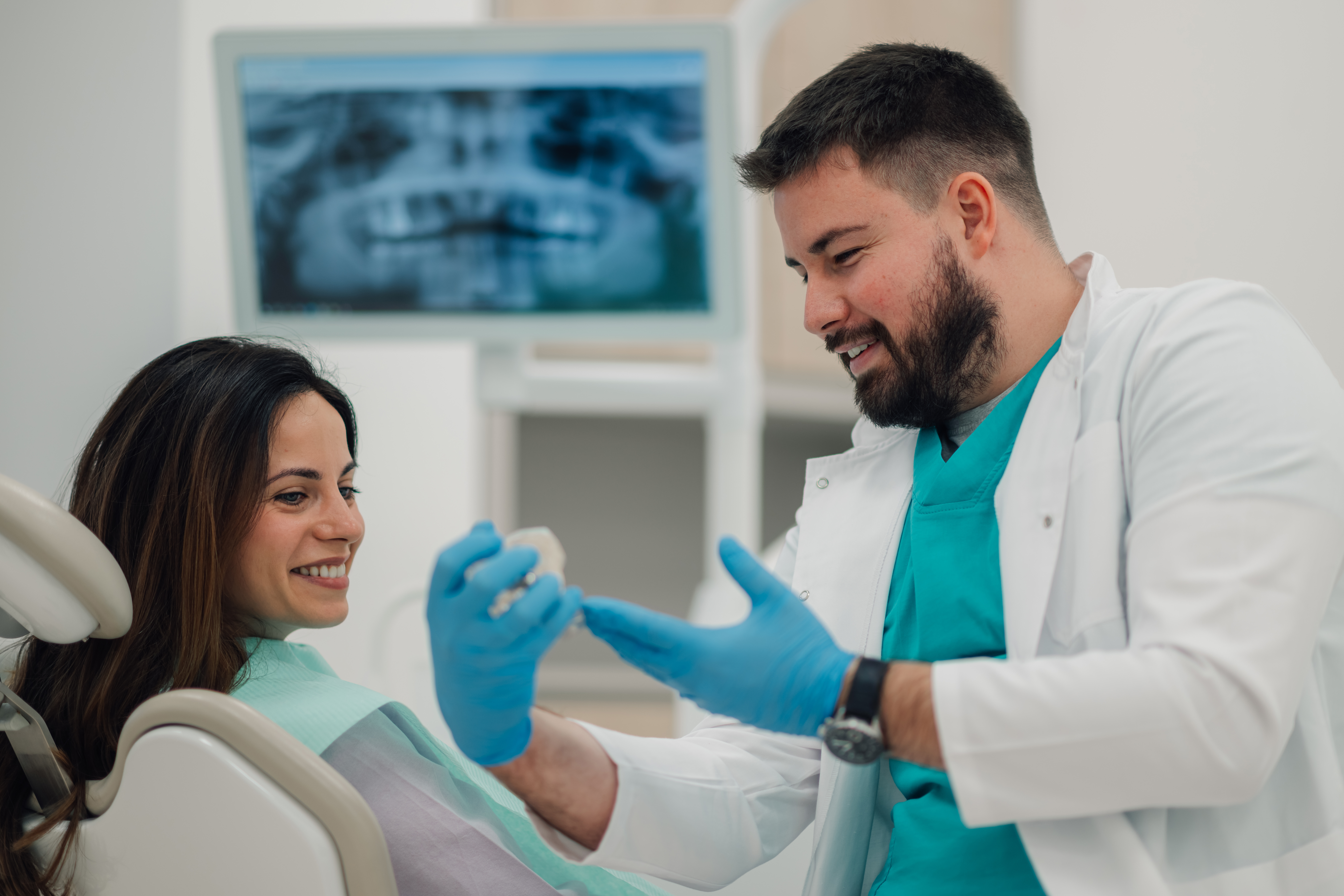
Why do GPs ask about oral health in diabetes and c...

Understand what executive health assessments can a...

Unsure whether to book a GP appointment or use a w...
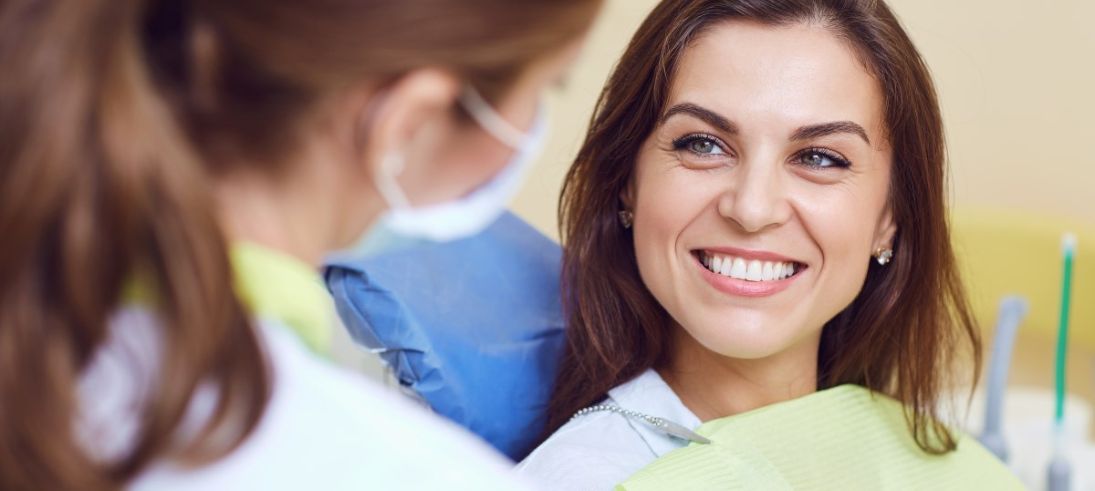
Explore how oral inflammation and wider health can...
Understand common causes of gum sensitivity and pr...
Wondering why your GP recommends blood tests early...

5 AVE MARIA LANE, ST PAUL'S, LONDON EC4M 7AQ
Mon - Fri 9AM - 6PM
Sat - Sun 10AM - 2PM
All tests and screenings are booked online or by phone — no referral and no registration needed. Same-day appointments are usually available.
2026 © PRIVATEGPS.LONDON. All rights reserved.